Shopping skills
How to compare clothing size charts
Use measurements consistently and separate body measurements from garment measurements.
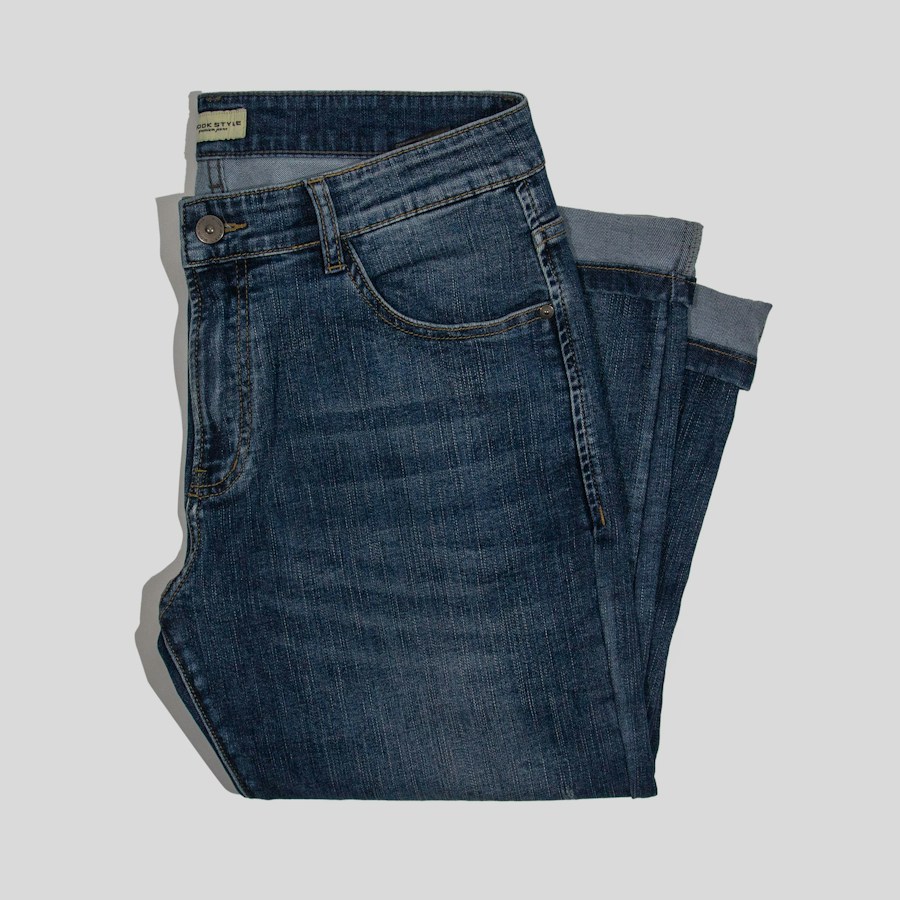
Find out what the chart measures
Some charts describe the body the garment is designed to fit; others give measurements of the garment itself. Read the chart instructions before comparing numbers. A flat waist measurement is not the same as a circumference, and a garment measurement may include room for movement. If the method is unclear, ask the retailer.
Use a familiar garment as a reference
Choose an item with a fit and fabric similar to what you are considering. Lay it flat and measure consistently, without stretching it. Record the method beside the result. Comparing a fitted stretchy top with a loose woven shirt can lead to a misleading conclusion even if their listed measurements look similar.
Prioritise the fit points that matter
For trousers, consider waist, rise, hip and leg length. For tops and jackets, consider shoulders, chest, sleeve and overall length. Decide which dimensions are most important for comfort in the intended activity. A single label size cannot capture every difference between cuts or brands.
Have a plan for uncertainty
When between sizes, use the retailer’s guidance for that exact style and check the return arrangements. Do not assume sizing up fixes a different cut. After an online purchase arrives, try it on according to the return conditions and keep packaging until you decide. Record the fit of items you keep to make the next comparison easier.
How this guide was prepared
This is original editorial guidance prepared with AI assistance, not a first-hand product test. Budget figures are planning examples. We do not claim a lowest price, confirmed stock or a brand partnership. See our editorial policy.